

Ethnic Wear Trends 2026: Colours, Silhouettes & Fabrics Every Woman Should Know
Ethnic Wear Trends 2026: Colours, Silhouettes & Fabrics Every Woman Should Know
Not the runway version. The wardrobe version — what's actually worth wearing this year.
The biggest shifts in Indian ethnic fashion in 2026 are: soft pastels replacing loud colours, natural fabrics replacing synthetics, and relaxed silhouettes replacing heavy embellishment. Lavender, sage, and terracotta are the colours of the moment. Co-ord sets and kaftan kurtas are the silhouettes. Cotton, linen, and chanderi are the fabrics. That's the short version — here's the longer one.
Every year around this time, the internet gets flooded with "top trends" lists that were clearly written by someone who's never actually worn a salwar suit to a three-hour family lunch. This is not that kind of list.
These are the trends that are actually showing up in what Indian women are searching for, buying, and wearing in 2026 — the ones that translate to real wardrobes, not fashion week editorials. Before diving in, if you're new to building an ethnic wardrobe, our guide on what ethnic attire actually means is the right starting point.
The Colour Story: Soft, Earthy, and Intentional
For the last few years, bolder and brighter was always the answer in festive ethnic dressing. That's shifting. In 2026, the colours getting the most attention are the ones that do less shouting.
Lavender ethnic wear has been building steadily for two years and has now crossed into mainstream. It works in cotton for everyday wear and georgette or chanderi for festive occasions — and it photographs well, which matters more than most people admit. Sage green and terracotta are similarly strong, especially in natural fabrics where the earthy undertone of linen or cotton amplifies the colour instead of fighting it.
Ivory and deep teal are the two "forever" picks this season — ivory for daytime events, deep teal for evenings and celebrations where you want colour without going loud. According to the Fashion Design Council of India, the broader shift toward muted, considered palettes in Indian fashion has been consistent since 2024 and isn't reversing soon.
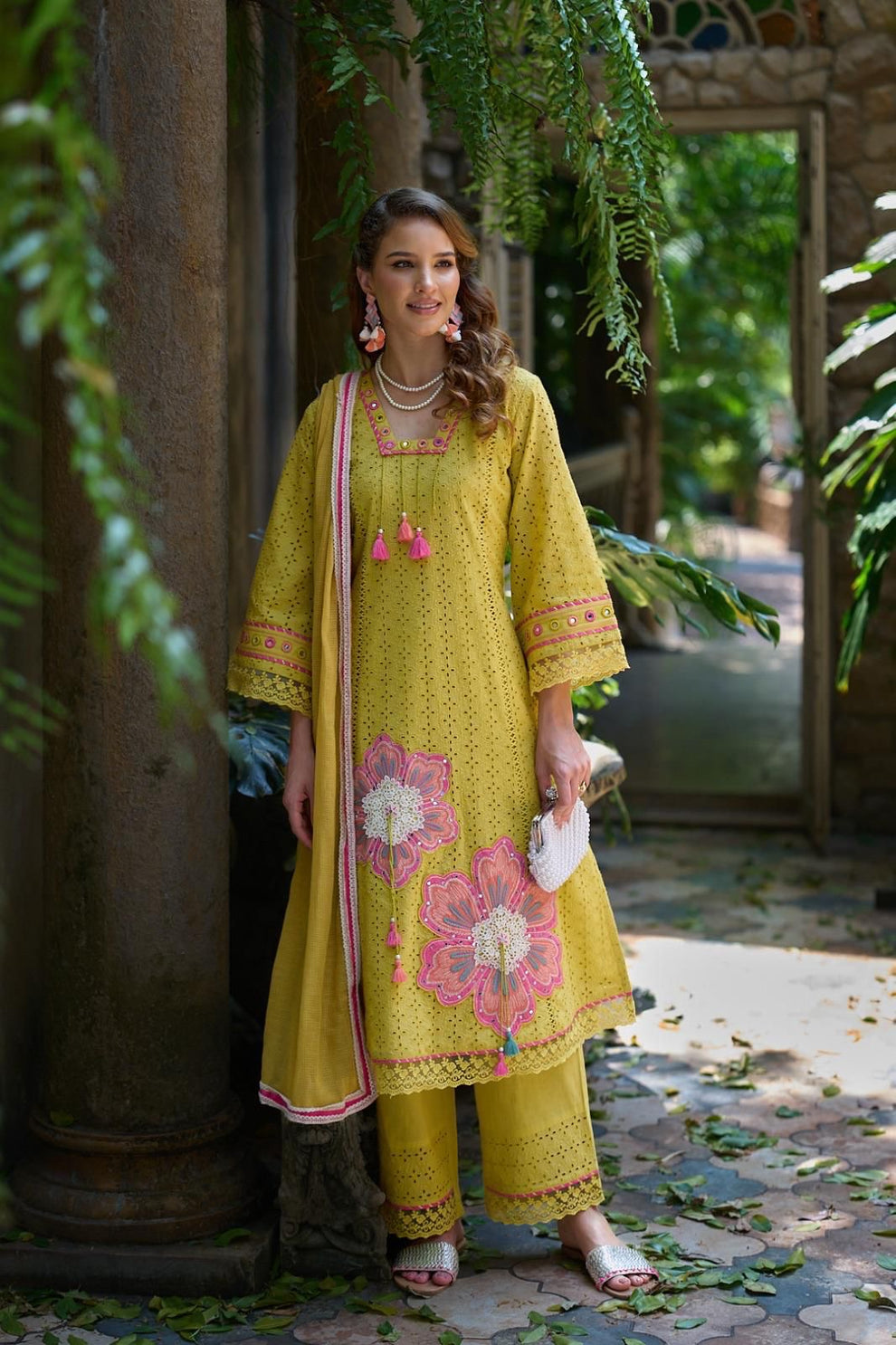
2026 colour palette · Namostri
Soft Tones, Strong Silhouette
The shift this year is toward colours that feel deliberate rather than loud — worn in clean silhouettes that let the fabric and the fit do the work.
Casual · Office · Daytime eventsThe Silhouette Shift: Relaxed, Clean, and Easy to Wear
The biggest silhouette trend in 2026 Indian ethnic fashion is not a new shape — it's a new attitude toward existing ones. Women are choosing outfits that move well, pack flat, and don't need ironing three times before they can be worn.
Ethnic co-ord sets
Ethnic co-ord sets are the single fastest-rising product category in Indian women's ethnic wear right now. A co-ord is a matching two or three-piece set — same fabric, same print, coordinated throughout. The appeal is obvious: it looks considered without requiring any effort. You don't need to think about what matches what. You just wear the set.
Co-ord sets work across cotton for daily wear, georgette for evenings, and silk blends for festive occasions. They're also one of the most modest-friendly silhouettes in current ethnic wear trends — full coverage, flowing, and naturally elegant.
Kaftan-style kurtas
Kaftan kurta styles are growing quickly — loose, full-length, and effortless. The kaftan was always popular in summer, but in 2026 it's crossing into year-round and festive territory, showing up in chanderi and georgette for evening occasions. For more on how to style them across different settings, read our modest ethnic wear guide.
Straight-cut kurta sets
The straight-cut kurta set is not new, but in 2026 it's the most versatile thing in an ethnic wardrobe. Clean lines, minimal embellishment, works at work and at a family dinner. If you only buy one new ethnic piece this year, a well-fitted straight-cut kurta set in a good fabric is the right call.

Clean silhouettes, natural fabrics, considered colours — this is what 2026 ethnic dressing actually looks like.
The Fabric Turn: Natural, Breathable, Built to Last
If 2024 was the year fast fashion started losing ground in the West, 2026 is the year that shift is being felt in Indian ethnic wear. Women are asking harder questions about what their clothes are made of — and choosing better answers.
Cotton ethnic wear has always been popular in India, but it's now the clear leader across all occasion types, not just everyday wear. Cotton kurta sets and suit sets account for a growing share of ethnic wear purchases precisely because they're breathable, washable, and look good without effort. India produces more cotton than any other country — and the handloom traditions built around it are some of the most sophisticated in the world.
Linen and chanderi are following closely — linen for its natural drape and warmth-resistance, chanderi for its lightweight silk-cotton weave that looks festive without being heavy. These are not trend fabrics. They're considered choices that happen to be trending.
"The women buying ethnic wear in 2026 are not asking 'what's trendy.' They're asking 'will this still look good in three years?' The answer to both questions is the same: natural fabric, clean silhouette, good fit."
For a deeper look at how to choose between fabrics for different occasions, our upcoming fabric comparison guide will cover cotton vs linen vs georgette in full detail. For now, our ethnic look styling guide has a section on how fabric reads differently across occasions — worth reading before you shop.
Fabric trend 2026 · Namostri
Natural Fabric, Natural Elegance
Cotton, linen, chanderi — the fabrics leading 2026 ethnic fashion share one quality: they look better the longer you wear them. No synthetic sheen, no stiffness, no ironing three times before you leave the house.
Everyday · Office · Casual festive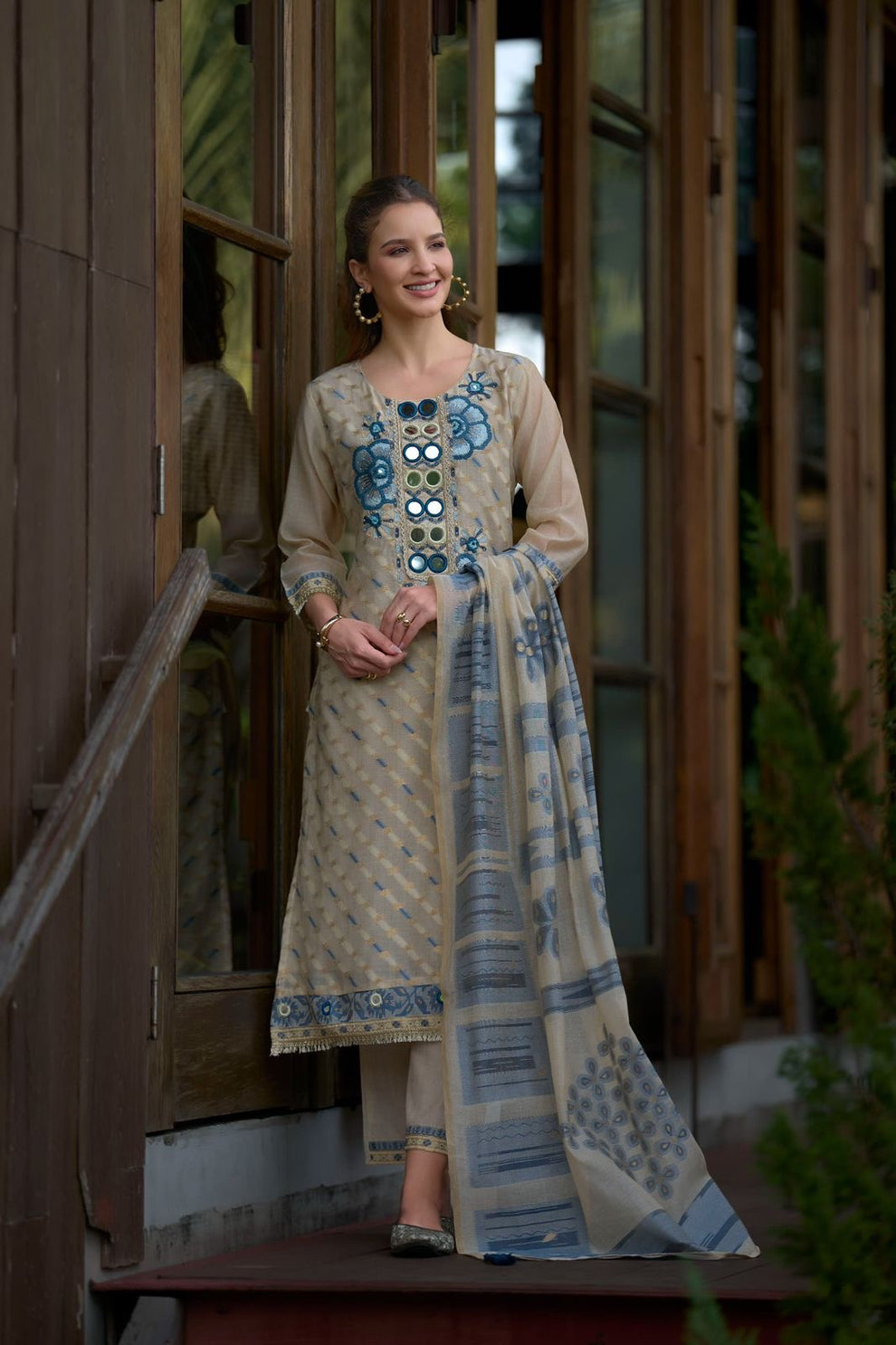
The One Trend Worth Ignoring
Heavy embellishment. Not all embellishment — but the kind where the entire garment is covered in sequins, mirror work, and zardozi from collar to hem. That look had its moment, and it will come back eventually. But in 2026, the women who look most put-together are the ones who've chosen one embellishment detail — a gota patti border, a chikankari yoke, a block-printed hem — and let everything else breathe around it.
This is exactly what we've been writing about across our blog series. The ethnic look styling guide covers the "let one element lead" principle in detail — the same idea applies to how trends are being worn in 2026. The trend is restraint. Edit well, wear confidently.
- Colours: Lavender, sage green, terracotta, ivory, deep teal — soft and earthy over loud and saturated
- Silhouettes: Ethnic co-ord sets, kaftan kurtas, and straight-cut suit sets — all relaxed, all easy to wear
- Fabrics: Cotton, linen, chanderi — natural, breathable, and lasting
- Embellishment: One detail done well — block print, chikankari, or gota patti — not everything at once
- Attitude: Outfit as a daily choice, not a performance
How to Actually Shop These Trends
The most practical thing you can do with any trend is filter it through your real life. Ask: will I actually wear this on a Tuesday? If the answer is yes, buy it. If the only honest answer is "maybe at a wedding in October," it belongs in a different budget category.
For building a versatile ethnic wardrobe around 2026 trends, start with our ethnic day dresses guide — it covers exactly how to think about occasion-appropriate dressing without overcomplicating it. And if you're wondering which pieces to actually prioritise, browse Namostri's full collection to see what's available in this season's fabrics and palettes.
Frequently Asked Questions
What are the top ethnic wear trends in 2026?
Ethnic co-ord sets, kaftan-style kurtas, and straight-cut suit sets are the leading silhouettes. In colours, soft pastels — especially lavender ethnic wear, sage green, and terracotta — are dominant. Natural fabrics like cotton, linen, and chanderi are preferred over synthetics across all occasion types.
What colours are trending in ethnic wear in 2026?
Lavender, sage green, terracotta, ivory, and deep teal are the key colours. For everyday and office wear, the softer pastels work best. For festive occasions, deep teal, wine, and emerald are the jewel-tone choices of the moment. Loud, saturated colours are stepping back this season in favour of more considered, earthy palettes.
Are ethnic co-ord sets a 2026 trend?
Yes — ethnic co-ord sets are the fastest-growing silhouette category in Indian women's ethnic wear in 2025–26. They're popular because they look coordinated without requiring effort, work across multiple occasions, and are available in fabrics ranging from everyday cotton to festive georgette.
What fabrics are most popular in Indian ethnic wear in 2026?
Cotton remains the dominant everyday fabric. Linen is growing quickly for its natural drape and breathability. Chanderi is the festive fabric of the moment — lightweight, semi-sheer, and elegant. All three reflect the broader trend toward natural, handloom-adjacent fabrics over synthetics.
Is lavender still trending in 2026?
Yes. Lavender ethnic wear has been building since 2024 and is now fully mainstream — not a niche trend anymore. It's one of the most searched colours in Indian ethnic wear. In cotton it reads casual and fresh; in georgette or chanderi it reads festive and elegant. It's also one of the most universally flattering colours across skin tones, which is why it keeps growing.
